
The words peacekeeper and peacemaker sound almost interchangeable. In everyday conversation, they’re often used as if they mean the same thing. But when you slow down and look closer, the difference between the two can be profound—sometimes even transformative.
At first glance, both roles seem rooted in harmony. Both suggest someone who values calm, avoids unnecessary conflict, and wants things to run smoothly. Yet the paths they take to achieve that calm couldn’t be more different.
The Role of a Peacekeeper
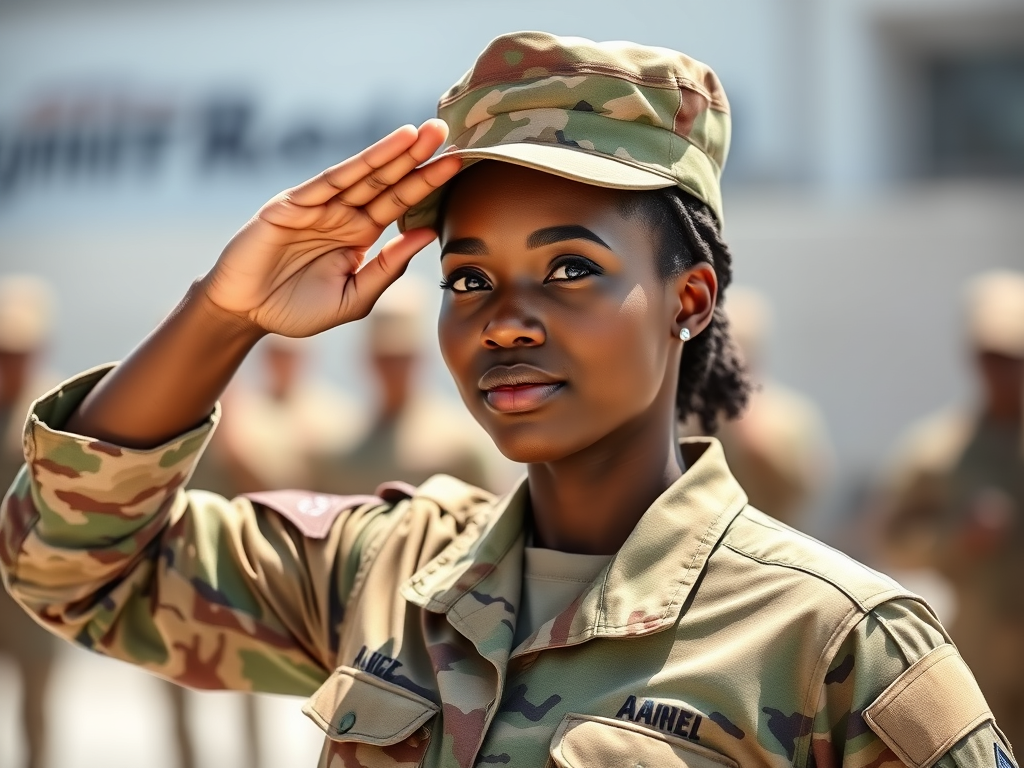
A peacekeeper is focused on maintaining stability. Their primary goal is to stop conflict from escalating. They smooth over tension, redirect uncomfortable conversations, and often sacrifice their own voice to keep the environment calm. In many situations, peacekeepers are invaluable. They prevent arguments from turning into explosions and help people coexist without constant friction.
But peacekeeping often comes at a cost.
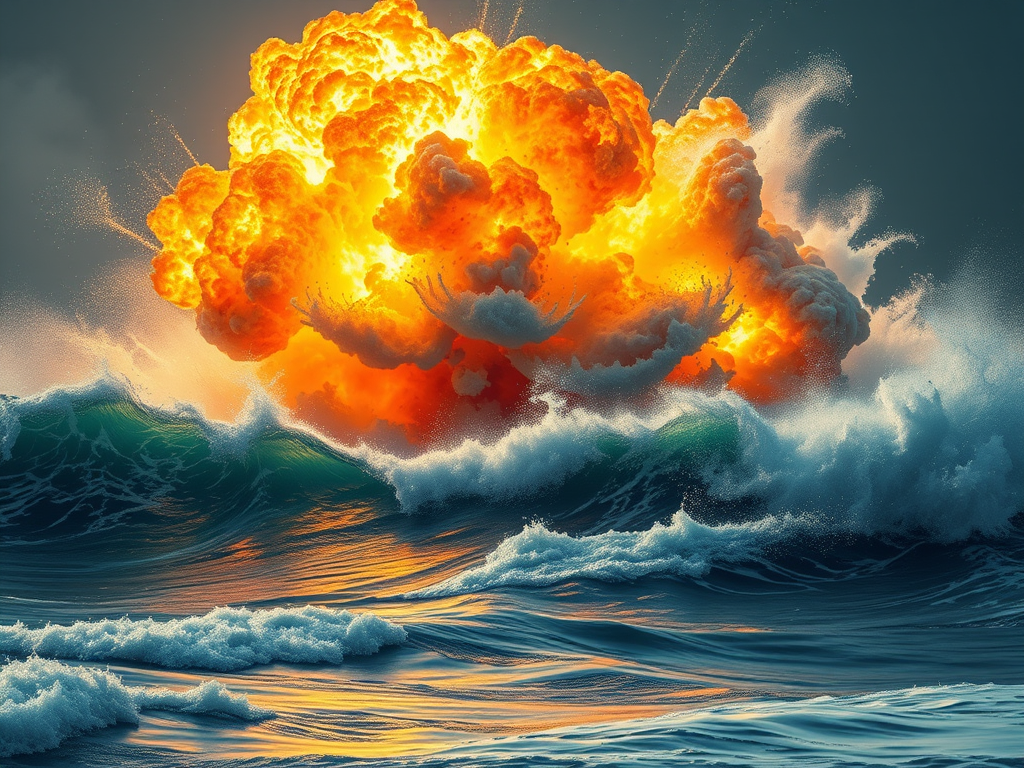
When peace is preserved at all costs, underlying issues remain unresolved. Feelings are buried instead of addressed. Hard conversations are postponed indefinitely. Over time, this kind of “peace” can become fragile—held together by avoidance rather than understanding.
Peacekeepers don’t create conflict, but they don’t always resolve it either.
The Courage of a Peacemaker
A peacemaker, on the other hand, is willing to step into discomfort. Rather than avoiding conflict, they engage it thoughtfully and intentionally. Peacemakers ask hard questions. They listen deeply. They create space for honesty, even when it’s messy.
True peacemaking isn’t about winning arguments or assigning blame. It’s about seeking understanding and restoration. It requires courage, patience, and humility—because facing conflict means accepting that resolution may take time and effort.
Where peacekeeping says, “Let’s just move on,” peacemaking says, “Let’s work through this.”
Why the Difference Matters
In relationships, families, workplaces, and communities, the distinction between peacekeeping and peacemaking shapes long-term outcomes. Peacekeeping may provide short-term calm, but peacemaking builds lasting trust. One avoids tension; the other transforms it.
Choosing to be a peacemaker doesn’t mean rejecting peace—it means redefining it. Real peace isn’t the absence of conflict; it’s the presence of understanding.
A Question Worth Asking
Many of us default to peacekeeping because it feels safer. Conflict can be uncomfortable, emotionally draining, and unpredictable. But growth rarely happens in comfort.
So the question isn’t whether peace matters—it does. The question is what kind of peace are we pursuing?
Are we keeping the peace… or making it?

 Rising Senior